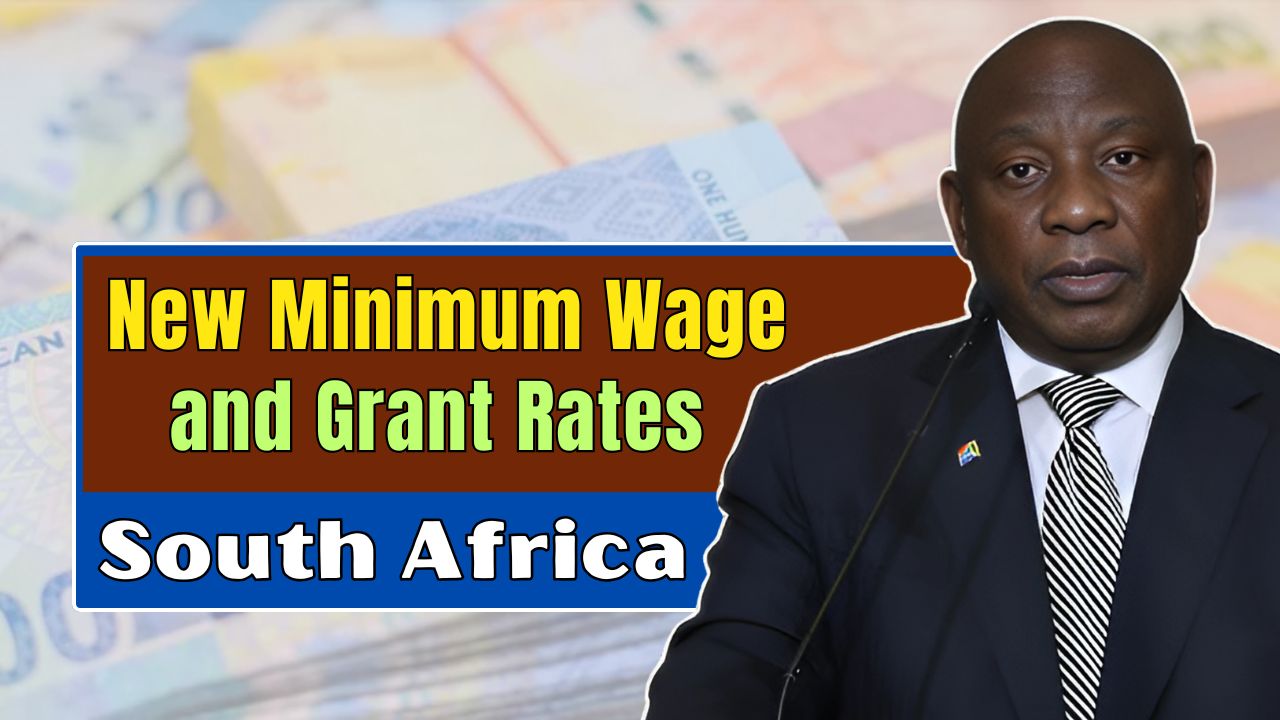
As South Africa prepares for the economic challenges ahead, the government has confirmed updated rates for both the national minimum wage and key social grants for 2026. These adjustments are aimed at easing the pressure on low-income workers and vulnerable households struggling with the rising cost of living. The revised figures reflect efforts to keep wages and social assistance closer to inflation and everyday expenses.
Revised Minimum Wage for 2026
The national minimum wage for 2026 has been raised to provide better protection for workers across all sectors. With transport, electricity, food, and housing costs continuing to climb, the updated wage aims to give low-income earners greater financial stability.
The increase is expected to benefit workers in retail, domestic work, agriculture, hospitality, and other labour-intensive industries where wages have traditionally lagged behind inflation. Employers have been encouraged to ensure compliance from the first day of implementation, as the new rate now serves as the legal baseline for all employees, whether full-time or part-time.

Impact on Domestic and Farm Workers
Domestic workers and farm workers, who were historically paid below the main national minimum wage, now continue to receive equal protection under the updated 2026 structure. By aligning these categories with the national standard, the government aims to close long-standing wage gaps and strengthen household incomes for workers who often support extended families.
Updated Social Grant Rates for 2026
Along with wage adjustments, the government has increased several social grants for 2026 to help families meet rising essential costs. Grant recipients, including older persons, people with disabilities, child support beneficiaries, and vulnerable unemployed individuals, will receive higher monthly payments. These increases aim to ensure that basic needs such as food, transport, healthcare, and school-related expenses can be met more reliably throughout the year.

Why These Increases Matter
The cost of living in South Africa has risen significantly over the past few years, putting pressure on both employed and unemployed citizens. Food inflation, transport hikes, electricity tariffs, and rental increases have left many households struggling to stay afloat.
By increasing both the minimum wage and social grants together, the government hopes to provide more balanced and sustainable relief. The 2026 updates also reflect ongoing efforts to reduce poverty, strengthen worker protection, and expand the safety net for millions of vulnerable people.

Support for the Unemployed and Low-Income Families
The updated social grants for 2026 offer crucial lifelines to families without stable income. With unemployment remaining a major challenge, these grants provide essential monthly support that helps prevent hunger and deepening poverty. For many households, the combination of higher grants and improved wage standards is expected to bring meaningful relief over the next year.
Looking Ahead to Economic Stability
While the wage and grant increases cannot fully offset the rising cost of living, they represent an important step toward building a more secure and equitable economy. Policymakers are expected to continue monitoring inflation trends and labour-market conditions throughout 2026. Further adjustments may follow if economic pressures intensify or if additional support becomes necessary.

A Positive Step for Millions
The 2026 updates to South Africa’s minimum wage and social grants mark a significant move toward improving the quality of life for low-income workers and vulnerable households. With higher earnings and stronger financial assistance, millions of South Africans will begin the year with improved security, dignity, and hope for a more stable future.